Home Decor AI Photography: Staging Furniture & Accents Without Location Rentals
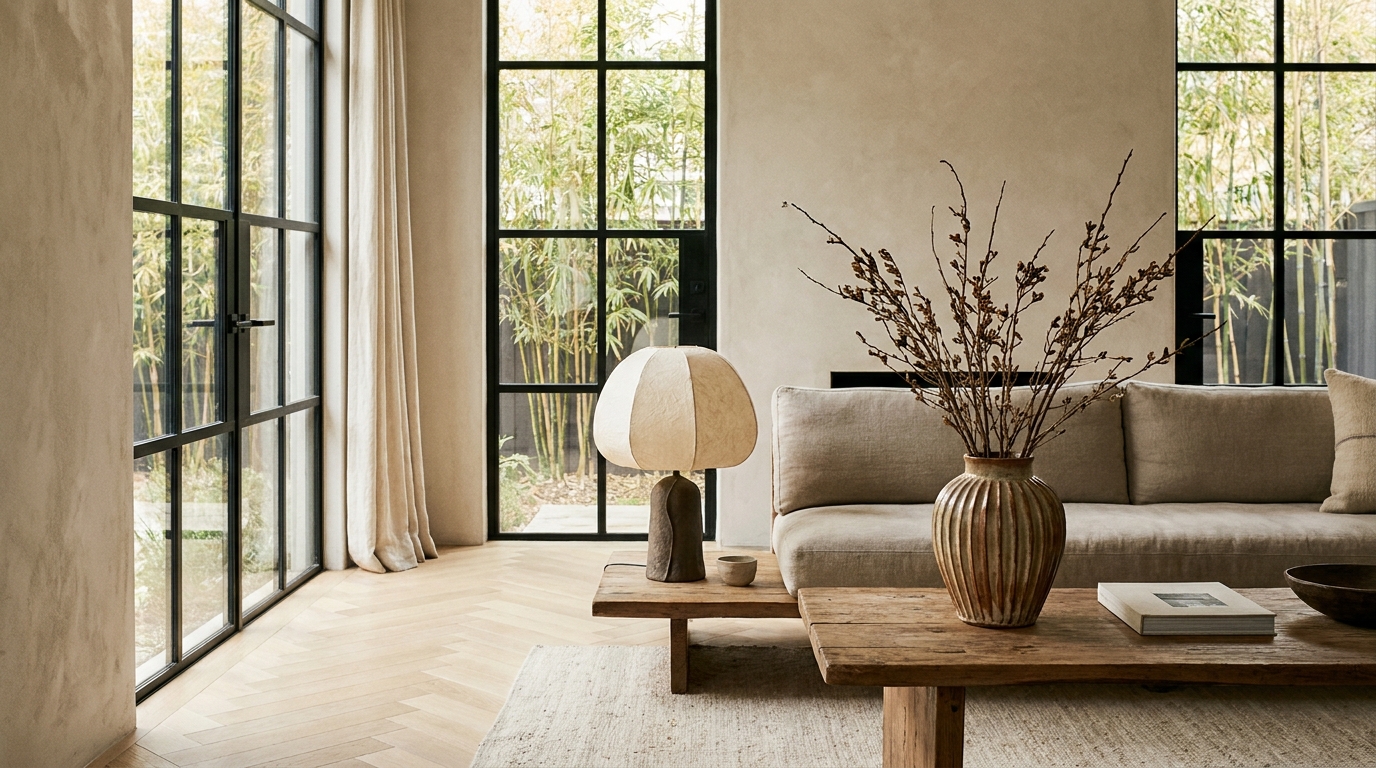
The Brutal Logistical Economics of Traditional Furniture Shoots
Photographing home decor is a heavy-duty logistical operation. Transporting large credenzas, sectional sofas, dining tables, or fragile oversized ceramic urns requires freight shipping, white-glove delivery teams, and expensive insurance against transit damage.
Once at the location, interior stylists must furnish the entire room with complementary rugs, artwork, coffee table books, and indoor plants. If the weather is overcast during a rented shoot day, the natural window light is ruined. And if a retailer wants to re-stage the same armchair from a breezy summer coastal cottage into a cozy autumn fireside room, they must repeat the entire freight cycle.
Innovative furniture and decor brands use SocialShot's Social Campaign Studio to photograph unboxed items in a warehouse or simple studio setting, then computationally transport them into pristine architectural interiors with photorealistic perspective and lighting.
Home Decor Visual Production Methods Compared
Compare traditional architectural location shoots, 3D architectural CGI, and generative AI interior staging:
| Production Vector | Mansion / Studio Location Shoot | 3D Architectural CGI (3ds Max/V-Ray) | SocialShot AI Interior Staging |
|---|---|---|---|
| Cost per Finished Room Scene | $1,500 – $4,000 per room setup | $400 – $900 per 3D interior render | $0.40 – $1.20 per asset |
| Turnaround Time | 3 to 5 weeks planning & delivery | 2 to 3 weeks 3D modeling | Under 3 minutes automated |
| Freight & Logistics Costs | Heavy shipping & handling fees | $0 (Requires digital 3D model CADs) | $0 (Shoot locally on smartphone/DSLR) |
| Lighting & Scale Accuracy | 100% natural, weather-dependent | Mathematically exact, often sterile | Photorealistic ambient occlusion & shadows |
| Seasonal Re-Styling Flexibility | Zero (Requires re-shooting) | Requires new 3D prop asset library | Instant prompt switch: Summer, Autumn, Winter |
4 Popular Interior Design Aesthetics DTC Buyers Crave
Shoppers want to see decor placed within aspirational yet relatable design schemes. Modern AI staging allows brands to generate all four of these high-converting aesthetics from a single product packshot:
- Japandi Minimalist: Muted earth tones, limewash walls, light blonde oak furniture, raw linen, and uncluttered negative space that highlights artisanal ceramic textures and sculptural silhouettes.
- Warm Scandinavian: Crisp white walls balanced by light wood textures, cozy textured bouclé throws, delicate indoor greenery, and soft diffused Nordic window lighting.
- Mid-Century Modern: Rich walnut paneling, brass accents, iconic geometric furniture forms, and warm ambient evening lamp lighting.
- Mediterranean Earth: Sun-drenched terracotta tile floors, exposed plaster arches, olive tree branches in vintage stone pots, and warm golden-hour light.
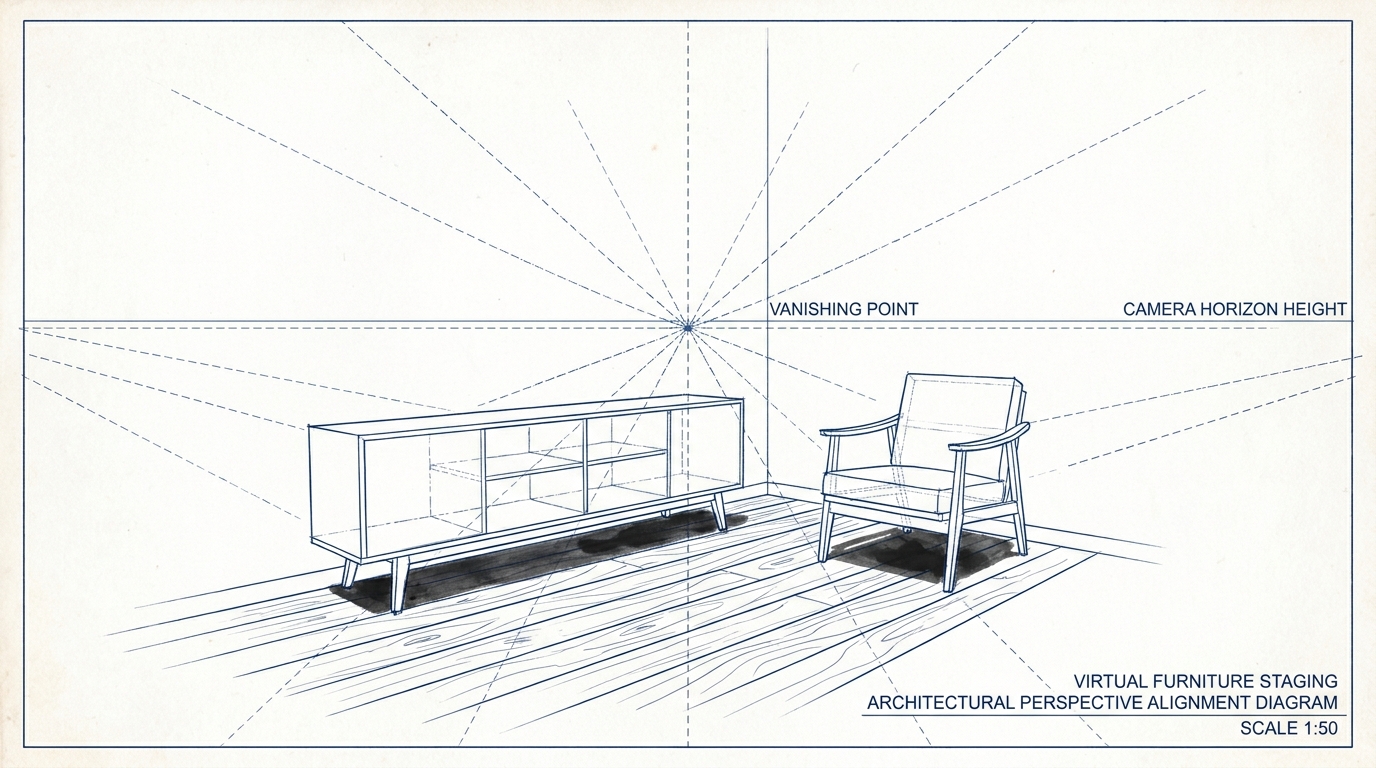
How to Maintain Realistic Scale in AI Interior Staging
The greatest risk in virtual interior staging is scale distortion—rendering a 12-inch table lamp so massive it looks like a floor lamp. Obey these rules to ensure true spatial proportions:
- Anchor Beside Familiar Standard Items: Place decor pieces near universally recognized objects—such as standard coffee mugs, books, sofa armrests, or standard 8-foot doorways.
- Match Camera Horizon Height: If your product was photographed looking slightly downward (45-degree angle), stage it in a room scene shot from the identical perspective height.
- Preserve Ground Contact Occlusion: Heavy furniture must produce dark contact shadows (umbra) beneath legs and bases to convey true physical weight and grounding on wood or rug surfaces.
Can AI stage furniture without making it look fake or floating?
Yes. Advanced generative engines like SocialShot calculate 3D floor plane geometry and directional light vectors, synthesizing realistic contact shadows and ambient occlusion beneath legs and plinths to firmly ground the piece.
Will AI alter the wood grain, fabric color, or dimensions of my furniture?
No. The system locks your product's physical texture, upholstery weave, and geometric proportions into an immutable latent layer, ensuring 100% fidelity to the physical inventory.
Can I stage smaller home decor items like vases, candles, and cushions?
Yes. AI interior staging is ideal for tabletop accessories, automatically placing them onto styled coffee tables, floating bookshelves, bathroom vanities, or nightstands.
How does contextual interior staging affect average order value (AOV)?
Data from major home goods platforms indicates that displaying items in aspirational, complete room settings lifts AOV by an average of 24% by inspiring multi-item cart additions.
Can I generate different room styles (e.g. Modern vs Rustic) for the same product?
Yes. You can place the same dining chair or lamp into a minimalist Japandi apartment, a historic brick loft, or a coastal beach house within seconds by adjusting the scene preset.
Do I need 3D CAD files to use AI interior staging?
No. Unlike traditional 3D architectural rendering, SocialShot only requires standard 2D photographs captured on a smartphone or DSLR camera.
Stage Your Furniture in Luxury Interiors Today
Eliminate expensive freight costs and location rentals. Transform simple furniture and decor packshots into architectural magazine-grade room scenes with SocialShot.