Loading…
Garment · T-Shirts
AI t-shirt product photography for print-on-demand & merch
T-shirt sellers live at volume, dozens of colorways and graphics that each need consistent, on-brand photos, in a square frame for Amazon and Flipkart but a 3:4 portrait one for Myntra. Shooting every SKU is impossible. SocialShot turns one flat-lay or mockup into studio and on-model t-shirt imagery you can repeat across your whole catalog, at each marketplace's own ratio.
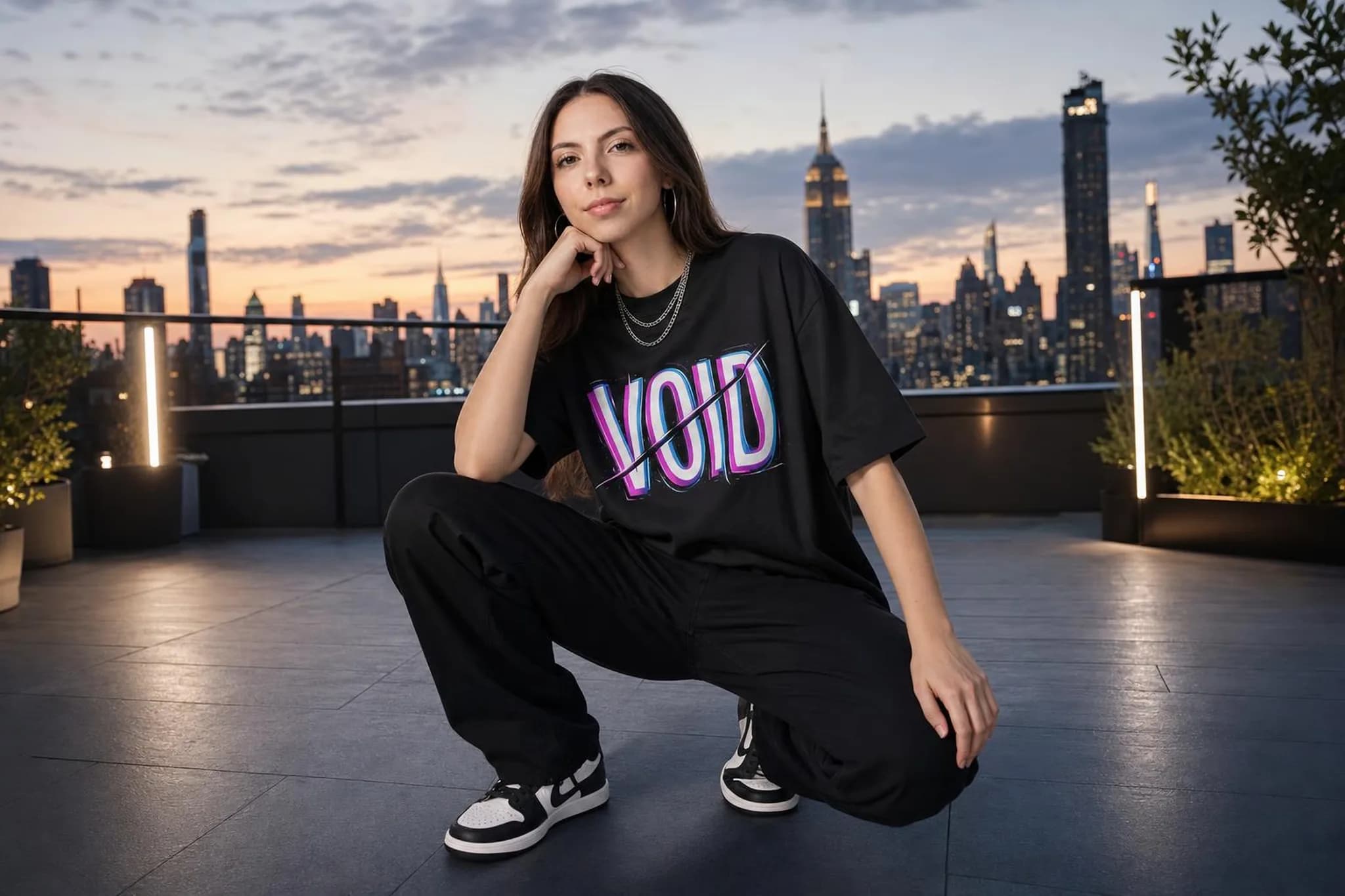
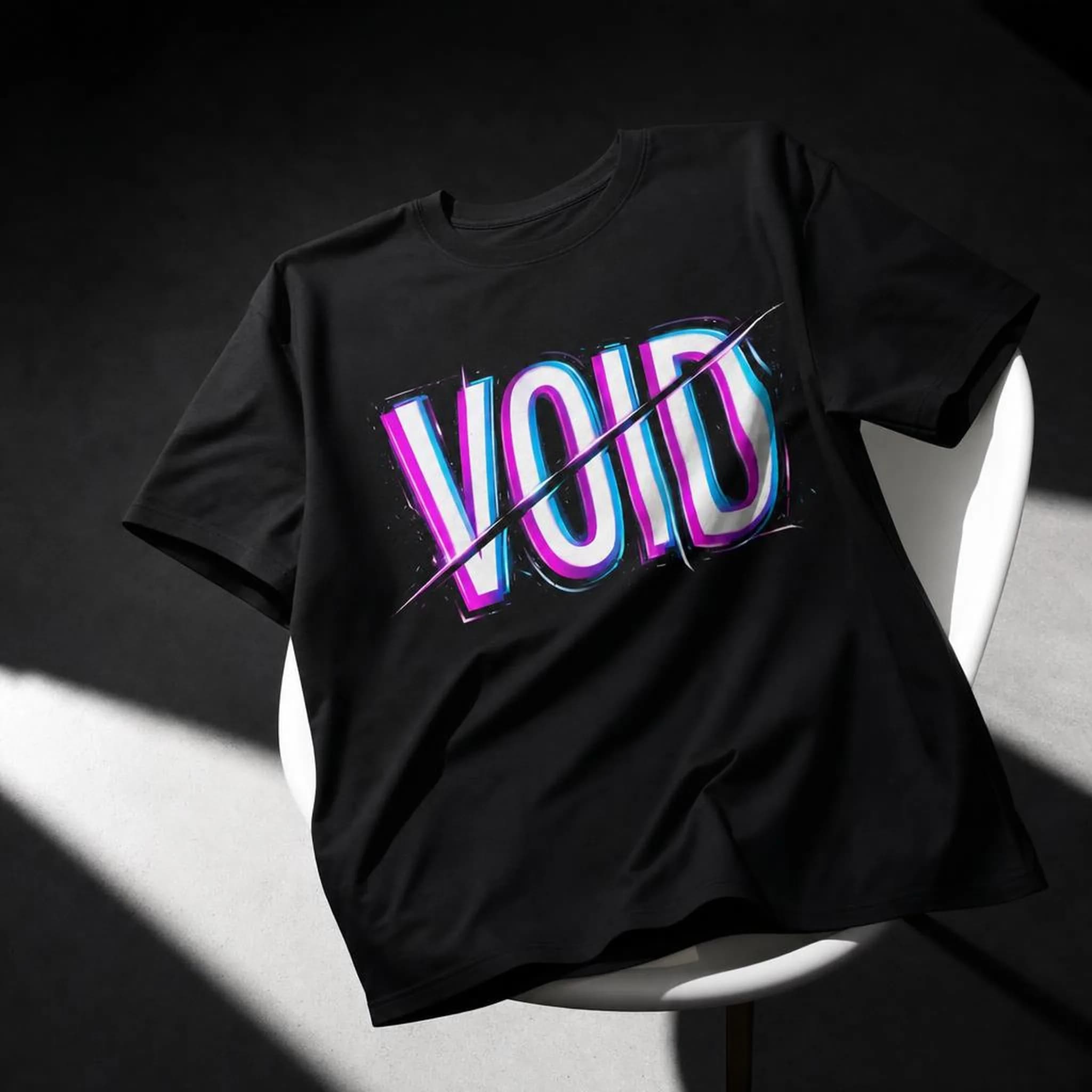
Keep the graphic placement, fabric texture, and fit identical across variants so your storefront looks cohesive at any scale.
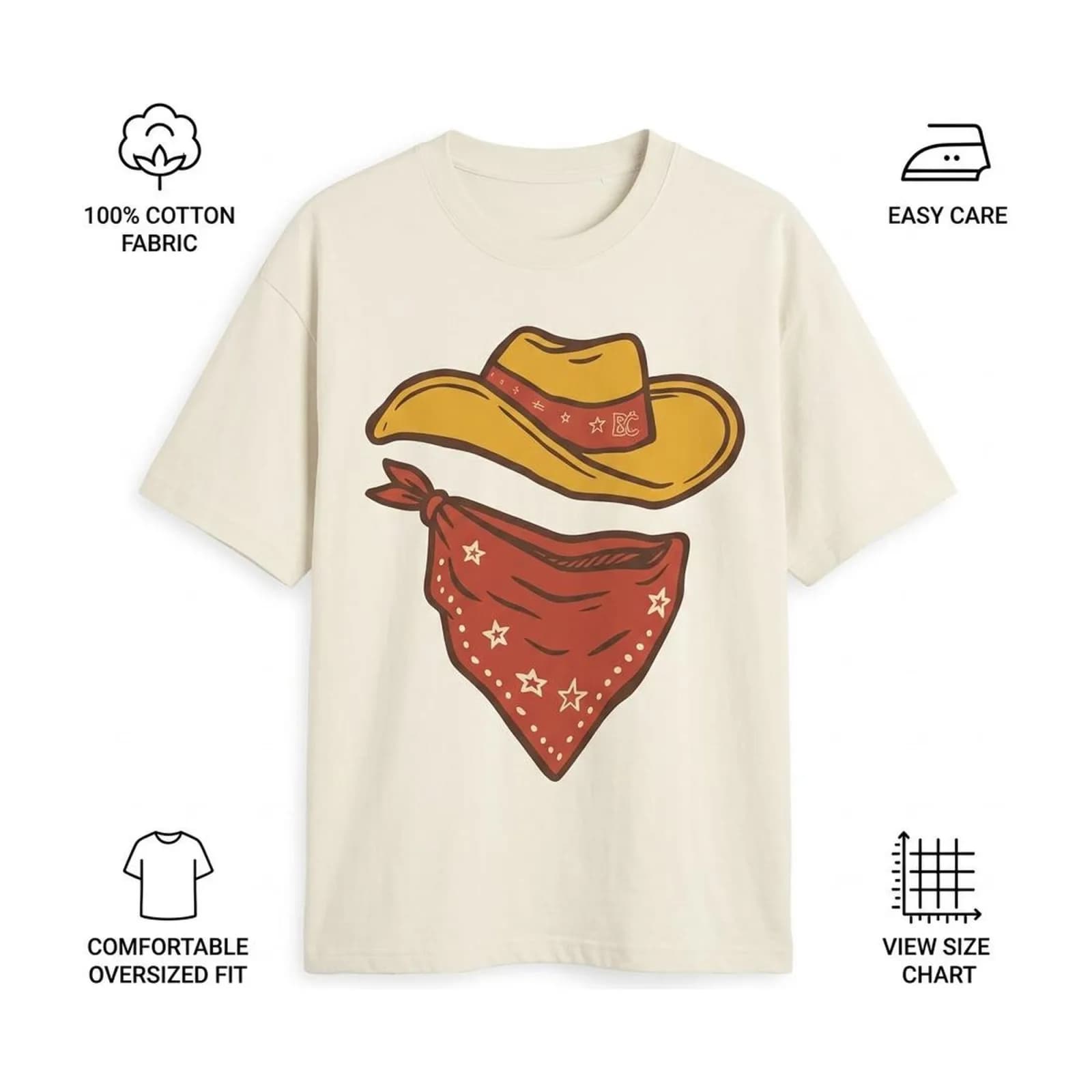
Why sellers use SocialShot for t-shirt product photography
Graphic stays put
Front and back prints keep exact placement and colors across every generated shot.
Built for catalogs
Produce a consistent look across dozens of colorways and designs, no reshoots.
Real fabric texture
Cotton, tri-blend, and heavyweight tees read with believable weight and drape.
On-model at scale
Show fit on diverse models without casting for every SKU.
Real photos win the click.
t-shirt product photography shouldn't take a studio or two weeks.
Real output, not stock
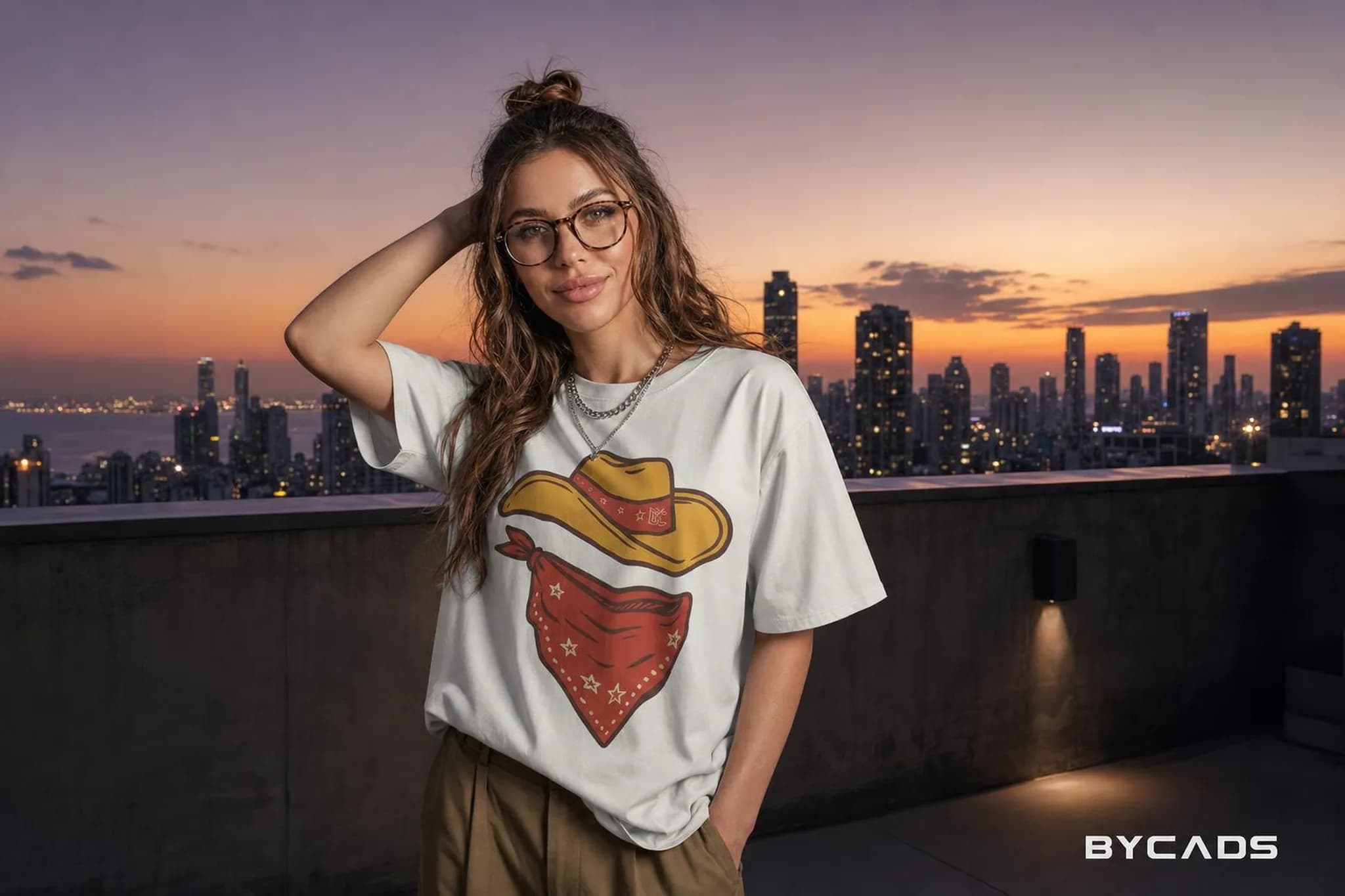
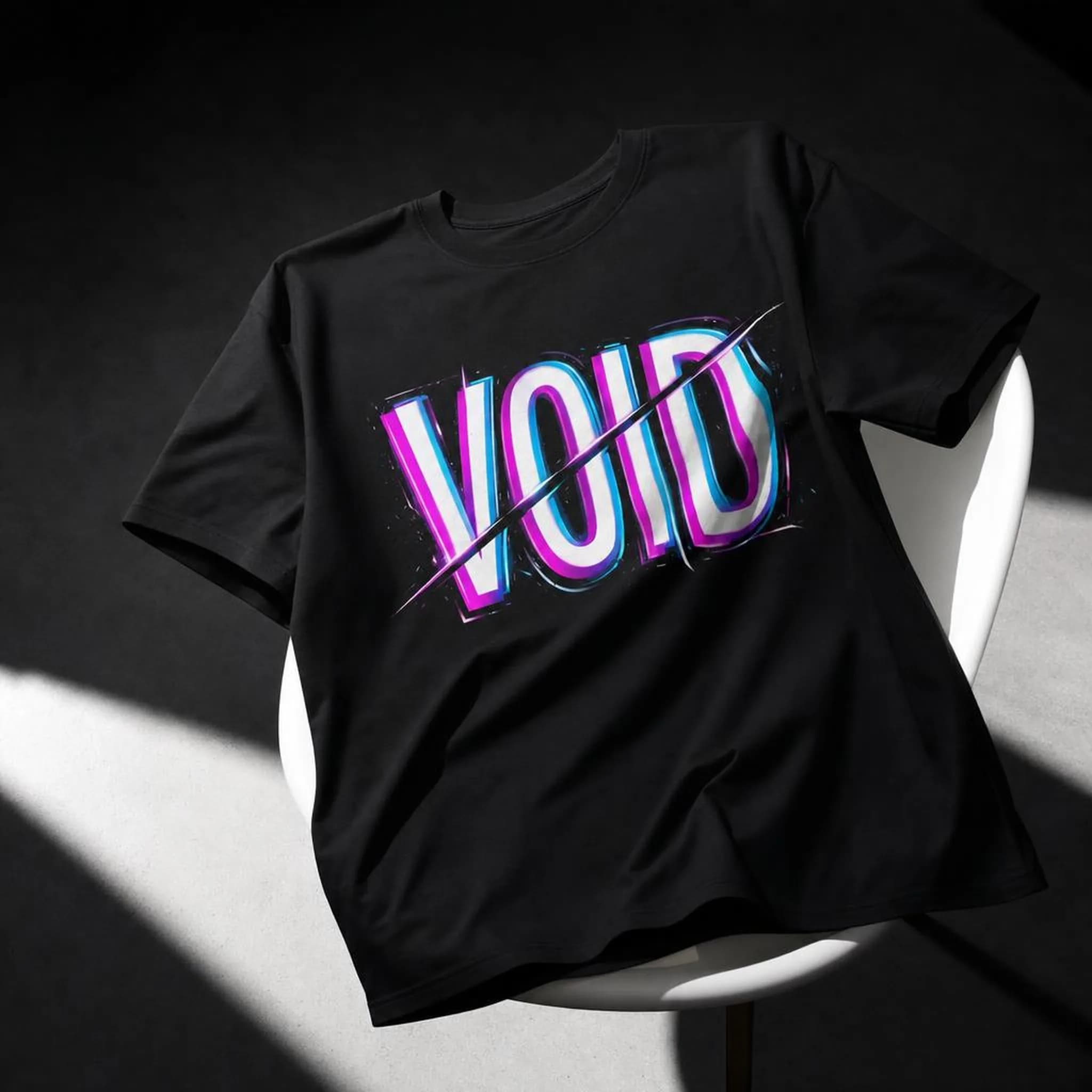
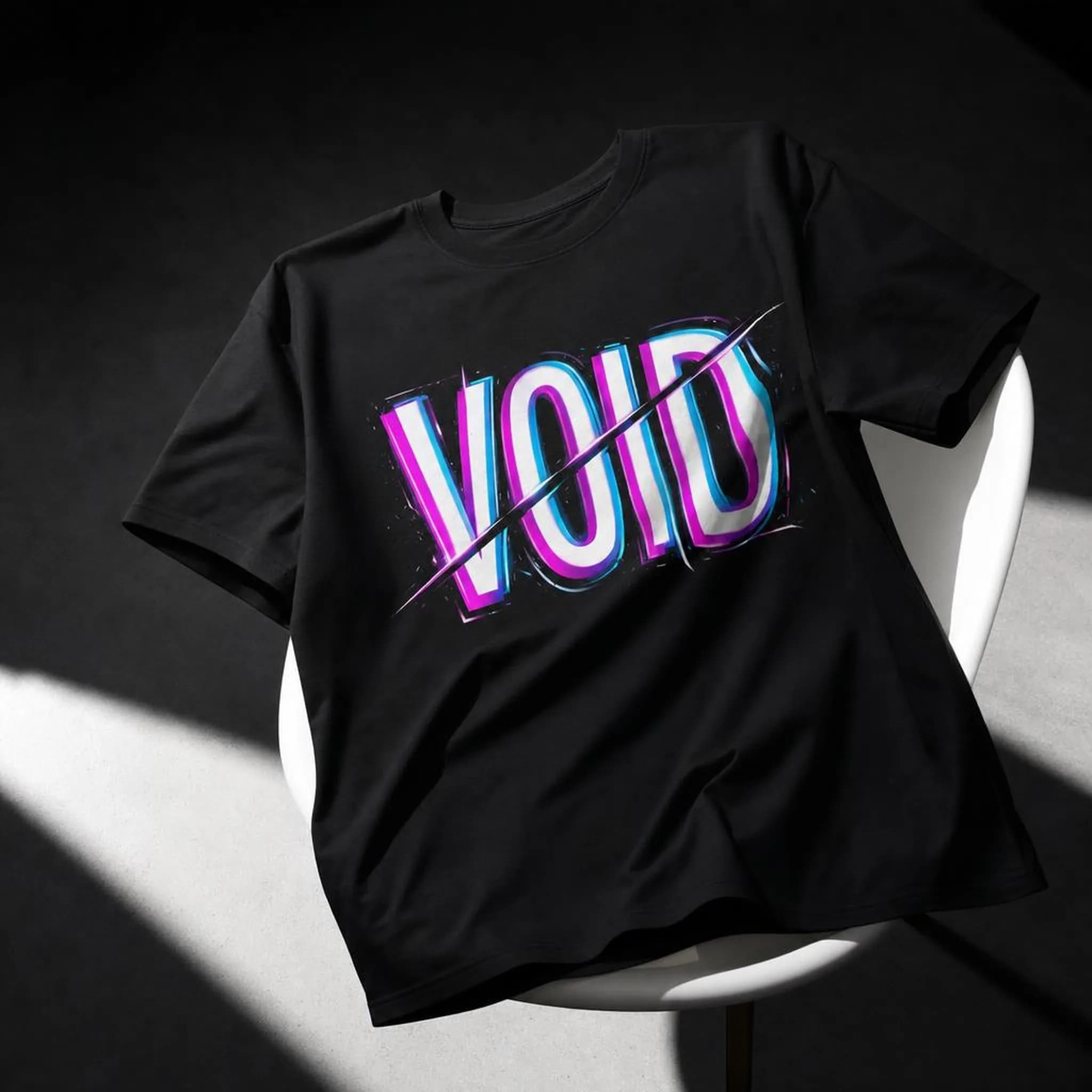
Every image below was generated from a single flat-lay or product photo.
How it works
Step 1
Upload your t-shirt flat-lay or mockup.
Step 2
Select model and scene, or a plain studio backdrop.
Step 3
Generate and repeat the same recipe across every colorway.
Trusted by online sellers
Real numbers from stores shipping with SocialShot.
50K+
Visuals generated
30s
Turnaround vs days for a traditional shoot
$2.99
Starter plan / month (Snap, 25 credits)
4.9/5
Avg. customer rating
“Amazon listings with lifestyle shots started converting better than the plain white ones.”
Frequently asked questions
What size should t-shirt photos be for each marketplace?
Amazon expects a minimum of 1000 px on the longest edge, on a pure white background, with the product filling around 85% of the frame. Myntra is the outlier: it wants 1080 x 1440 in a 3:4 portrait frame rather than a square. That difference matters, because centre-cropping a portrait shot down to a square usually removes the model's head and feet, so generate each ratio rather than re-cropping one master file.
Why do white t-shirts photograph badly on a white background?
Because the garment edge and the backdrop are the same value, so the silhouette disappears and marketplace reviewers see a shapeless blob. White and pale tees need deliberate edge separation, usually a soft drop shadow or gentle side lighting that keeps the shoulder and sleeve lines readable while the background still reads as pure white. It is the single hardest case in t-shirt photography and the most common reason a plain white listing image looks cheap.
Will my graphic print stay accurate on a model?
Placement, scale and colour are preserved from the source artwork. The thing to check on any on-model output is drape distortion: as fabric falls across the chest, a print can stretch or skew at the edges. Review the graphic's straight lines and any text in the artwork before you publish, since that is where distortion shows first.
Flat-lay, ghost mannequin, or on-model - which do I need?
Flat-lay is fastest and fine as a secondary angle. Ghost mannequin shows the garment holding its shape without a person, which suits catalogue grids. On-model is what sells fit, and Myntra requires a model shot for apparel listings outright. Most listings want a clean primary plus two or three of the others.
Can I match the same look across colorways?
Yes. Reuse the same model, pose, and scene so your storefront stays visually consistent across dozens of variants.
Is this good for print-on-demand stores?
Yes. It is built for high-SKU catalogs where shooting every design individually is not practical.
Related
Ready to try it on your products?
Upload one photo and see t-shirt product photography results in minutes.
Shoot your t-shirt