Food and Drink AI Photography: Generating Appetite Appeal for Packaged CPG Brands
The High Cost & Chemical Tricks of Traditional Food Styling
Commercial food styling in a traditional photo studio has little to do with real food. Professional stylists use chemical cocktails to simulate freshness: white craft glue replaces milk so cereal won't get soggy, motor oil simulates pancake syrup, and acrylic plastic ice cubes costing $80 each replace real melting ice.
For packaged Consumer Packaged Goods (CPG) brands—such as energy bars, canned functional sodas, artisan coffee beans, or snack crisps—booking a food photography studio easily costs $5,000 to $10,000 per shoot day. The brand must source perishable exotic fruits, hire a kitchen assistant, and spend hours spraying glycerin mixtures to create fake water droplets.
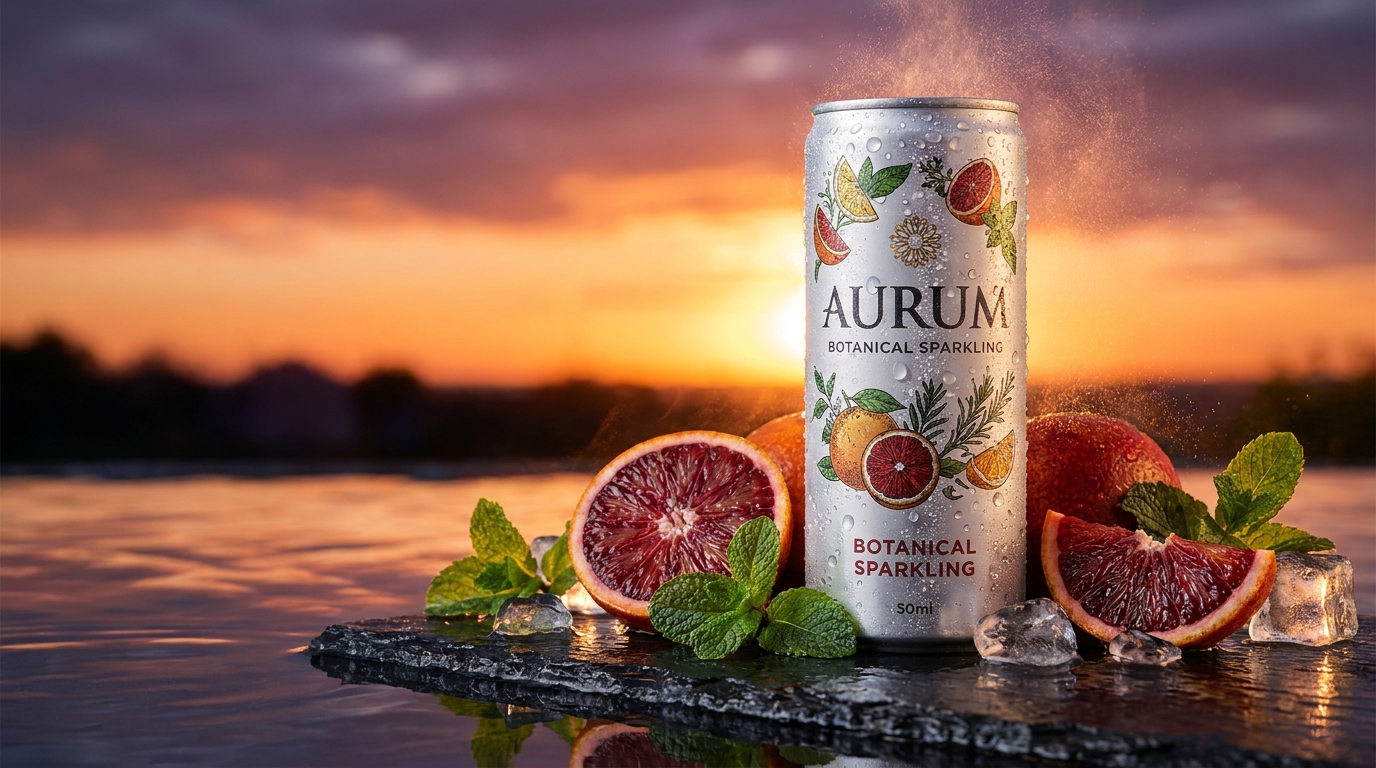
Modern CPG brands use SocialShot's AI Photoshoot Studio to take a single clean photo of their can, bottle, or snack pouch, and computationally surround it with crisp condensation, splashing liquid waves, and freshly sliced organic ingredients.
Food & Beverage Production Methods Compared
Examine how traditional commercial food studios, stock photo compositing, and generative CPG photography compare across speed, realism, and cost:
| Production Vector | Commercial Food Stylist Studio | Stock Photo Photoshop Compositing | SocialShot Generative CPG Studio |
|---|---|---|---|
| Cost per SKU Hero Scene | $350 – $900 per visual | $80 – $180 manual editing | $0.30 – $0.90 per finished image |
| Turnaround Time | 2 to 4 weeks planning & shoot | 3 to 5 days manual Photoshop | Under 3 minutes automated |
| Perishable Ingredient Sourcing | Requires purchasing physical fresh produce | Limited to available stock photo angles | Infinite fresh ingredients on-demand |
| Condensation Droplet Realism | Messy glycerin sprays (uneven beads) | Flat 2D overlay textures | Physically-based 3D surface tension beads |
| Packaging & Label Integrity | 100% physical package | Often distorted by Photoshop blending | 100% locked physical label geometry |
4 High-Converting Visual Frameworks for Food & Drink Brands
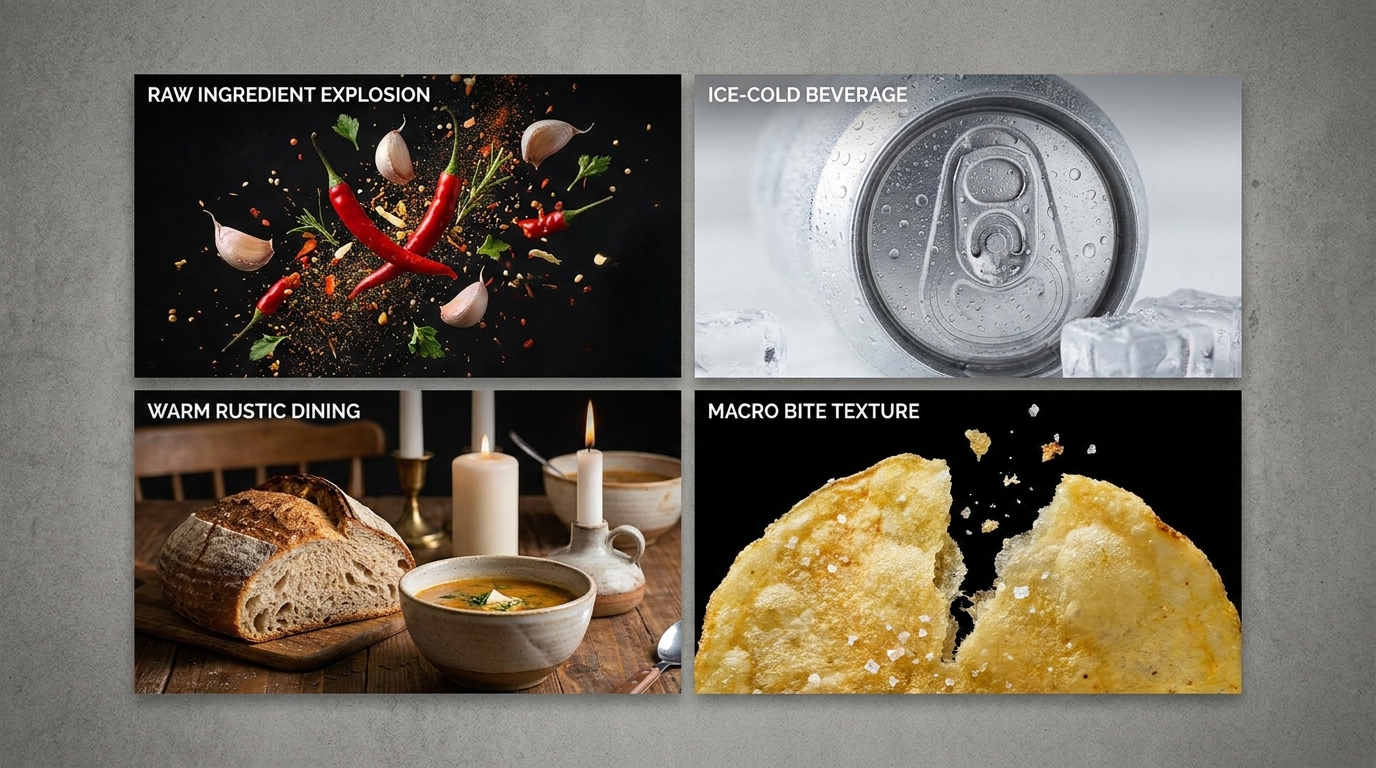
Leading direct-to-consumer food and beverage brands deploy four proven visual archetypes to trigger sensory cravings on social feeds and marketplace storefronts:
- The Hero Ingredient Explosion: Surrounds the packaged SKU with floating, freshly sliced raw ingredients—e.g., an artisanal hot sauce flanked by bursting red habaneros, whole garlic cloves, and lime wedges suspended in mid-air.
- The Icy Condensation Thirst-Quencher: Places a canned sparkling water or cold-brew coffee can on a wet poolside stone or crushed ice bed, covered in glistening micro-condensation beads and backlit by golden-hour sunlight.
- The Gourmet Table Setting: Stages the food item (like a jar of organic pasta sauce or olive oil) within a warm, inviting dining scene alongside crusty sourdough bread, fresh basil, and a glass of wine.
- The Macro Bite & Texture Reveal: Showcases an unsealed pouch with rich product crumbs, melting chocolate chips, or crunchy sea salt flakes scattered across a textured slate surface.
Best Practices for Capturing Packaged CPG Products
Ensure maximum visual punch and compliance when preparing food packaging for AI generation:
- Keep Foil Pouches Puffed: For snack bags and chip pouches, ensure the bag is gently puffed with air during the source photo to prevent deep, distracting foil creases across the brand logo.
- Protect Nutritional & Weight Disclosures: Ensure net weight callouts (e.g., '12 FL OZ (355 mL)') and organic certification badges remain fully legible to comply with consumer advertising regulations.
- Avoid Harsh Direct Flash on Glossy Cans: Diffuse your light source across beverage cans to create a continuous vertical highlight strip along the cylinder instead of a harsh white hotspot.
Can AI add realistic water condensation to canned and bottled drinks?
Yes. Advanced CPG generative models synthesize physically accurate condensation droplets across aluminum cans and glass bottles, calculating surface tension beads and light refraction that make drinks look ice-cold.
Will AI change the brand logo, nutrition facts, or colors on my food packaging?
No. Platforms like SocialShot utilize reference-conditioned generation that locks the product packaging into an immutable layer, keeping all typography, barcode elements, and color palettes 100% authentic.
Can I generate photos showing fresh fruit or ingredients matching my flavor profile?
Yes. You can prompt for specific fresh ingredients (such as sliced dragonfruit, organic raspberries, or roasted cocoa beans) to be artfully arranged around your packaging with matching ambient lighting.
How does showing appetizing visual cues affect food and beverage sales?
Sensory marketing research proves that showing condensation droplets, steam, and fresh ingredients activates salivary response and increases impulse purchasing, lifting click-through rates by up to 37%.
Can I generate lifestyle scenes like outdoor picnics or kitchen countertops?
Yes. You can stage your food and beverage items into rustic wood picnic tables, sunny breakfast nooks, or sleek modern marble kitchens in minutes.
Are AI-generated food product images compliant with FDA advertising standards?
Yes, provided the packaging itself is physically accurate and you do not make deceptive claims about the product contents. AI simply automates background staging and lighting around your real physical packaging.
Ignite Appetite Appeal for Your Food & Drink Brand
Stop spending fortunes on food stylists and melting ice rigs. Create mouth-watering, condensation-dripping commercial imagery from simple packshots in seconds with SocialShot.